Publications

2025

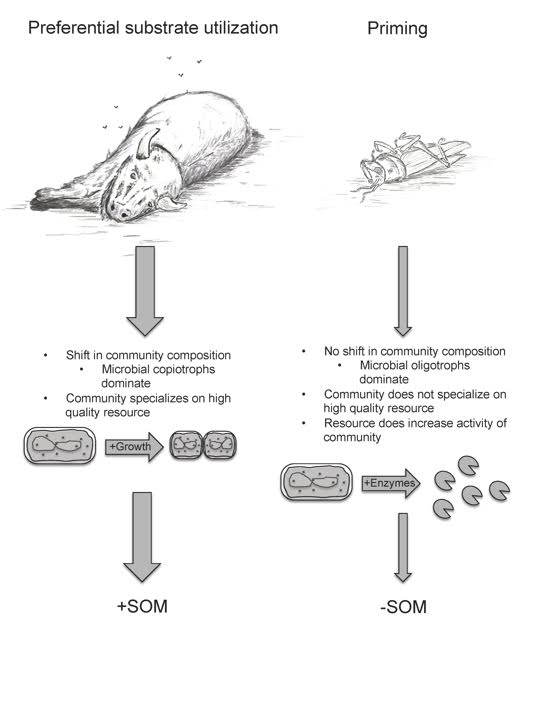
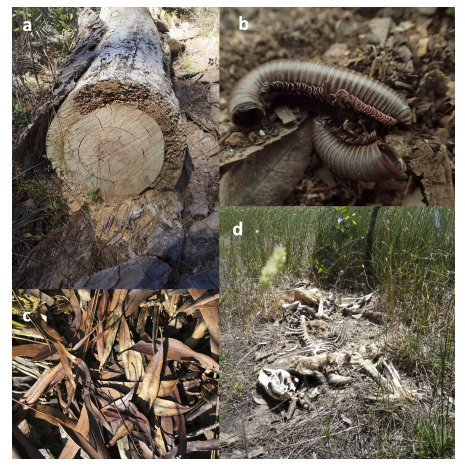
Stephenson, T., D. W.Crowder, E.Osburn, et al. 2025. Apex Scavenger Declines Have Cascading Effects on Soil Biogeochemistry and Ecosystem Processes. Global Change Biology, 31, no. 9: e70520.

Stewart, R., Strickland, M. (2025). Advances in soil respiration techniques for assessing soil microbial activity. In: Norton, J., Schimel, J., Lindo, Z. (eds) Measuring and assessing the biological health of soils. Burleigh Dodds Series in Agricultural Science, vol 173. Burleigh Dodds Science Publishing, Cambridge, UK. https://doi.org/10.19103/AS.2025.0159.05

Stephenson, T., D. W.Crowder, E.Osburn, et al. 2025. “Apex Scavenger Declines Have Cascading Effects on Soil Biogeochemistry and Ecosystem Processes.” Global Change Biology31, no. 9: e70520. https://doi.org/10.1111/gcb.70520.

Bartel, Savannah L., LaurelLynch, TorreyStephenson, Menna E.Jones, Michael S.Strickland, AndrewStorfer, and David W.Crowder. 2025. “Decline of an Apex Vertebrate Scavenger Increases Carrion Use by Invertebrates.” Ecology106(9): e70214. https://doi.org/10.1002/ecy.70214

Osburn, E.D., Weissman, J.L., Strickland, M.S. et al. Relative abundances of bacterial phyla are strong indicators of community-scale microbial growth rates in soil. Environmental Microbiome 20, 131 (2025). https://doi.org/10.1186/s40793-025-00790-7

Vickery, Z. A., Castro, H. F., Dearth, S. P., Tague, E. D., Classen, A. T., Moore, J. A., Strickland, M. S., & Campagna, S. R. (2025). Untargeted Metabolomics Reveals Distinct Soil Metabolic Profiles Across Land Management Practices. Metabolites, 15(12), 783. https://doi.org/10.3390/metabo15120783

2024

Lucas, J.M., McBride, S.G., Strickland, M.S. 2020. Trophic level mediates soil microbial community composition and function. Soil Biology & Biochemistry, 143: 107756.

Filho, J., Thomason, W.E., Evanylo, G.K., Zhang, X., Strickland, M.S., Chim, B.K., Diatta, A. 2020. Biochemical and physiological responses of Cannabis sativa to an integrated plant nutrition system. Agronomy Journal, 112: 5237-5248.

Filho, J., Thomason, W.E., Evanylo, G.K., Zhang, X., Strickland, M.S., Chim, B.K., Diatta, A. 2020. An integrated plant nutrition system (IPNS) for corn in the Mid-Atlantic USA. Journal of Plant Nutrition, 44: 704-722.

2019

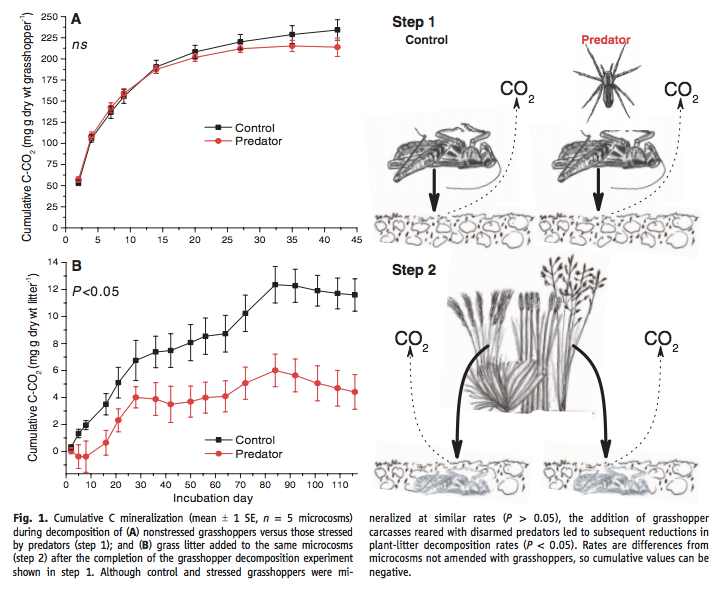
Hawlena, D., Strickland, M.S., Bradford, M.A., Schmitz, O.J. 2012. Fear of predation slows plant-litter decomposition. Science, 336: 1434-1438.

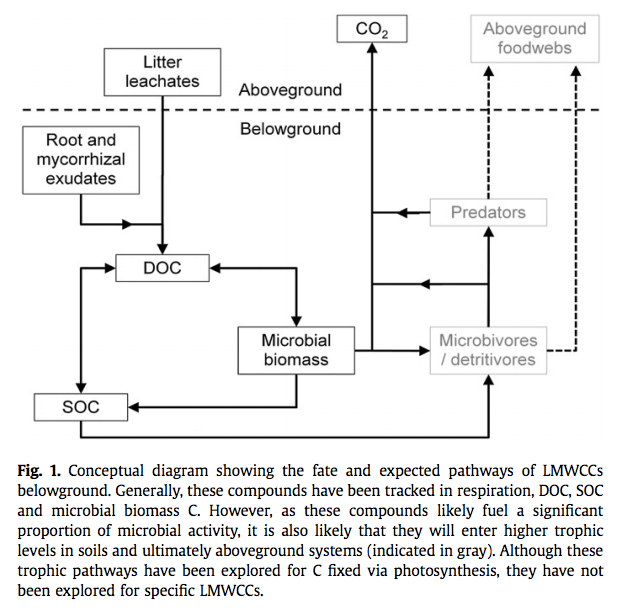
Strickland, M.S., Wickings, K., Bradford, M.A. 2012. The fate of glucose, a low molecular weight compound of root exudates, in the belowground foodweb of forests and pastures. Soil Biology & Biochemistry, 49: 23-29.

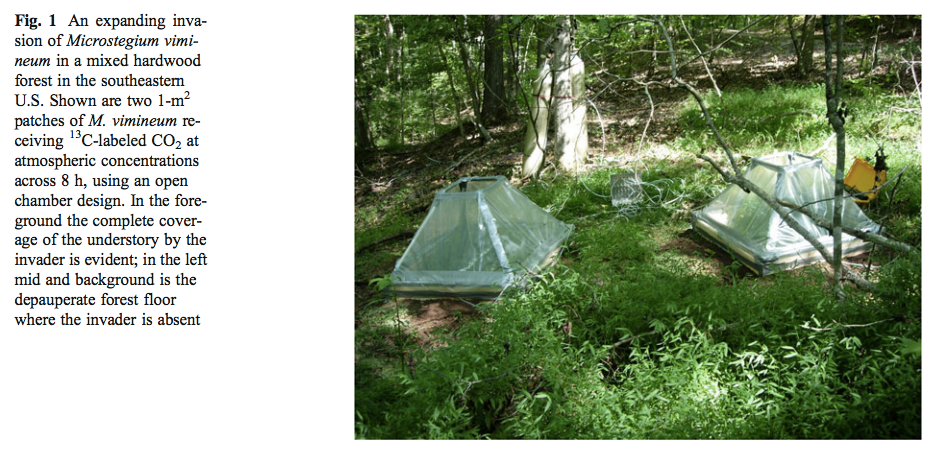
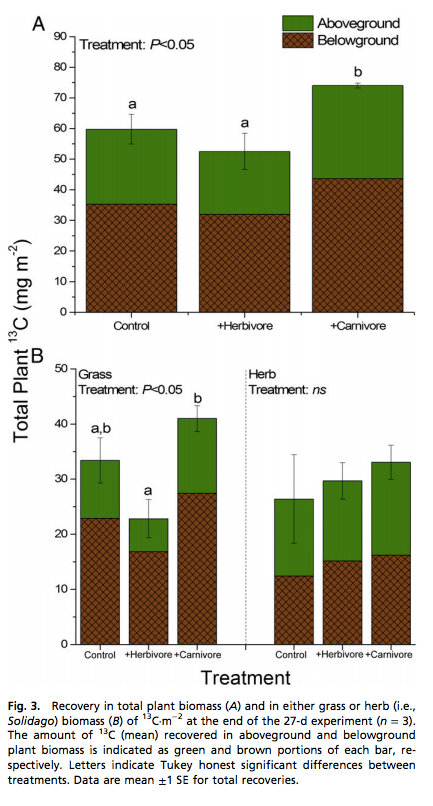
Bradford, M.A., Strickland, M.S., DeVore, J.L., Maerz, J.C. 2012. Root carbon flow from an invasive plant to belowground foodwebs. Plant and Soil, 359: 233-244.

Carrillo, Y., Ball, B.A., Strickland, M.S., Bradford, M.A. 2012. Legacies of plant litter on carbon and nitrogen dynamics and the role of the soil community. Pedobiologia, 55: 185-192. 

2011

Fraterrigo, J.M., Strickland, M.S., Keiser, A.D., Bradford, M.A. In Press. Nitrogen uptake and preferences in a forest understory following invasion by an exotic grass. Oecologia, 167: 781-791. 

Keiser, A.D., Strickland, M.S., Fierer, N., Bradford, M.A. 2011. The effect of resource history on the functioning of soil microbial communities is maintained across time. Biogeosciences, 8: 1477-1486. 

Strickland, M.S., DeVore, J.L., Maerz, J.C., Bradford, M.A. 2011. Loss of faster-cycling soil carbon pools following grass invasion across multiple forest sites. Soil Biology & Biochemistry, 43: 452-454. 

2010

Strickland, M.S., Rousk, J. 2010. Considering fungal:bacterial dominance in soils – Methods, controls, and ecosystem implications. Soil Biology & Biochemistry, 42: 1385-1395.

Strickland, M.S., DeVore, J.L., Maerz, J.C., Bradford, M.A. 2010. Grass invasion of a hardwood forest is associated with declines in belowground carbon pools.Global Change Biology, 16: 1338-1350. 

Strickland, M.S., Callaham, M.A., Jr., Davies, C.A., Lauber, C.L., Ramirez, D.D., Richter, D.D., Jr, Fierer, N., Bradford, M.A. 2010. Rates of in situ carbon mineralization in relation to land-use, microbial community and edaphic characteristics. Soil Biology & Biochemistry, 42: 260-269. 

Bradford, M.A., DeVore, J.L., Maerz, J.C., McHugh, J.V., Smith, C.L., Strickland, M.S. 2010. Native, insect herbivore communities derive a significant proportioin of their carbon from a widespread invader of forest understories. Biological Invasions, 4: 721-724. 

2009

Strickland, M.S., Lauber, C., Fierer, N., Bradford, M.A. 2009. Testing the functional significance of microbial community composition. Ecology, 90 (2): 441-451.

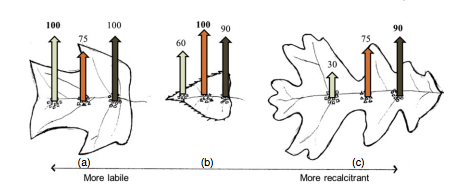
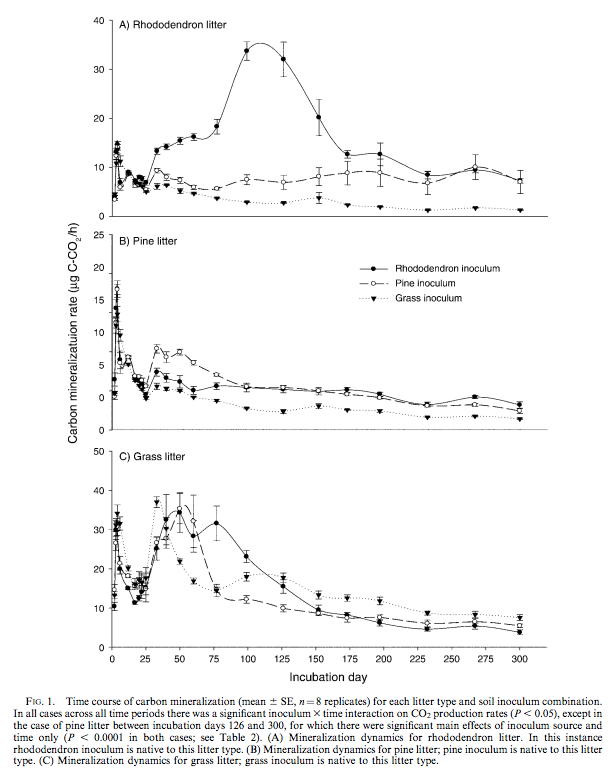
Strickland, M.S., Osburn, E., Lauber, C., Fierer, N., Bradford, M.A. 2009. Litter quality is in the eye of the beholder: decomposition rates as a function of inoculum characteristics. Functional Ecology, 23: 627-636. 

Grandy, A.S., Strickland, M.S., Lauber, C.L, Bradford, M.A., Fierer, N. 2009. The influence of microbial communities, management, and soil texture on soil organic matter chemistry. Geoderma, 150: 278-286. 

Hamilton, H.C., Strickland, M.S., Wickings, K., Bradford, M.A., Fierer, N. 2009. Surveying soil mesofaunal communities using a direct molecular approach. Soil Biology & Biochemsitry, 41: 1311-1314. 

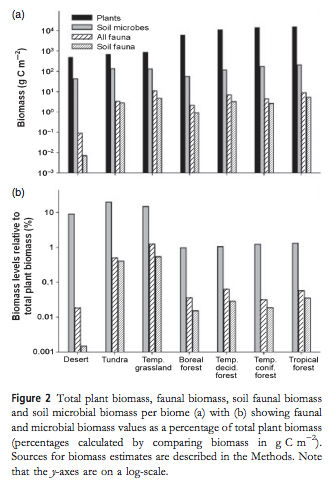
Fierer, N., Strickland, M.S., Liptzin, D., Bradford, M.A., Cleveland, C.C. 2009. Global patterns in belowground communities. Ecology Letters, 12: 1238-1249.

2008

Lauber, C.L., Strickland, M.S., Bradford, M.A., Fierer, N. 2008. The influence of soil properties on the structure of bacterial and fungal communities across land-use types. Soil Biology & Biochemsitry, 40: 2407-2415.